
How Trade Payables Work and Why They Matter for Your Business

Examples of current liabilities include Accrued Expenses (Housekeeping expenses or Security Expenses), Short-term loans (tenure less than 12 months), Rent payable, and Wages payable to workers. Accounts payable is when the company has gotten the bill, such as an invoice, and knows exactly how much it has to pay and when. The main difference between the two is whether the bill has arrived or not. Both of these mean that a business needs to pay trade payables its supplier, but each happens at different times and in different ways. Accrued expenses mean when a company uses something, like its materials, but hasn’t gotten a bill yet. The accounts payable metric, by itself, offers minimal insights into the operating efficiency of a company.

Payment Obligations
Trade payables are short-term amounts your business owes to suppliers for goods or services received on credit. By understanding what trade payables are, how they’re recorded, and how they differ from other liabilities, you’re already a step ahead. Trade payables might seem like just another accounting line item, but as you’ve seen, they play a much bigger role in your business’s financial health.
- Where accounts payable always represents an exact amount, accrued expenses are more of a guesstimate.
- Conversely, late payments can damage a business’s reputation, strain supplier relationships, and lead to late fees or less favorable terms.
- Trade payables are recorded under “current liabilities” on the balance sheet.
- Trades payable refers to the money you owe vendors for inventory-related goods — for example, business supplies or inventory.
- Therefore, the concept of trade payable is deemed a subset of accounts payable, which is more comprehensive in terms of the short-term payment obligations that comprise the line item.
Recording Trade Payables
However, circumstances change abruptly and management has to evaluate this question carefully before any disclosure is being made. Here we provide you with the top 7 differences between Accounts Payable vs. Notes Payable. This is in the form of infographics which help in identifying and remembering the differences easily in the form of a chart.
Accrual
Larger businesses or any business that requires staff to travel may have their AP department manage their travel expenses. The travel management by https://phokwanetech.co.za/2020/11/03/accounting-and-bookkeeping-for-startups-bench-2/ the AP department might include making advance airline, car rental, and hotel reservations. While Account Payable refers to how much a business owes, Accounts Receivable (AR) encompasses the money owed to the business.
- The reverse of accounts payable is accounts receivable, which are short-term obligations payable to a company by its customers.
- Accrued expenses are costs incurred but not yet paid, recorded in the period they occur, regardless of cash transactions.
- That means some amounts recorded in the accrued expenses payable may be estimates.
- The restaurant can then use those supplies to generate revenue (e.g., by selling meals to patrons) before the payment is due.
- The company pays its supplier back, and now it has $100 in cash flow to cover other expenses like marketing and salaries.
Timely payments improve a company’s creditworthiness—leading to better financial stability and growth opportunities. It is worth noting that trade accounts payables can be classified as current liabilities and long-term liabilities/long-term debt. When businesses payout trade accounts payable within a year they are classified as current liabilities. And when that’s not the case, trade payables are classified as long-term liabilities.
Cash
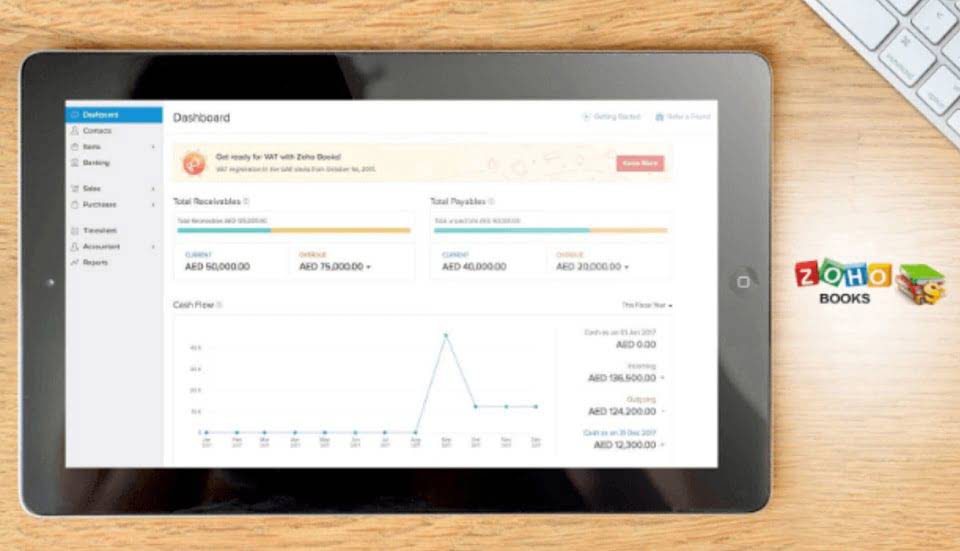
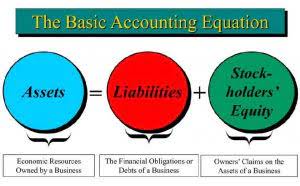
Accounts payable appears within the current liability section of an entity’s balance sheet. A listing of the accounts available in the accounting system in which to record entries. The chart of accounts consists of balance sheet accounts (assets, liabilities, stockholders’ equity) and income statement accounts (revenues, expenses, gains, losses). The chart of accounts can be expanded and tailored to reflect the operations of the company. However, notes payable differs from the above in certain aspects even though it represents the money the business owes. The most important difference lies in the fact that notes payable have a written agreement signed by two parties, the borrower and the lender and is issued by a financial institution.

Take control of your spend management today!
Effective management of trade accounts payable involves a structured process to ensure timely and accurate payments to suppliers. This involves a “three-way match,” where the purchase order, the receiving report, and the supplier’s invoice are compared to verify the accuracy of the goods received and the amount billed. When a business receives goods or services on credit, it must accurately record this transaction in its financial records. The accounting entry involves debiting an asset account, such as Inventory, or an expense account, like Supplies Expense, depending on the nature of the purchase.
Get started with Ramp Bill Pay for effective AP management, or try our free, interactive demo. Starting to buy costs of fulfillment on credit opens up new possibilities, but also new responsibilities. Before moving to a new supplier that sells on credit, look up reviews and do research on the experience of other buyers. Taking the time to do so could save you from an How to Invoice as a Freelancer unfortunate disruption down the line.
- Only when the details in the three documents are in agreement will a vendor’s invoice be entered into the Accounts Payable account and scheduled for payment.
- These amounts are expected to be settled within 30 to 90 days, depending on the agreed-upon credit terms with the supplier.
- Inventory paid for in cash is not documented in your financial statements as a trade payable.
- It is the number of days it takes a company, on average, to pay off its AP balance.
- Accounts payable is a broader category that includes trade payables, but also encompasses other short-term obligations like utility bills, rent, or employee reimbursements.
However, we can say all the liabilities for petty expenses fall under this. If a transaction occurs in Cash, there is no point in recording the Accounts Payable. Bills Payable (B/P) is a bill of exchange accepted by a business the amount for which will be payable on the specific date mentioned in the bill. The purchase order (PO) document specifies the desired merchandise, quantities, and prices, and serves to initiate the order transfer (i.e. the goods move from the supplier to the customer). Charlene Rhinehart is a CPA , CFE, chair of an Illinois CPA Society committee, and has a degree in accounting and finance from DePaul University. This method ensures that all transactions are properly tracked and the company’s financial position is accurately represented.
Comentários
Sem comentários.